
The Significance of THC Levels in Hemp: Why Monitoring Matters
- Tammy Page

- May 12
- 4 min read
Hemp cultivation has surged in popularity due to its versatility and economic potential. However, one critical aspect that growers, processors, and consumers must pay close attention to is the THC content in hemp plants. THC, or tetrahydrocannabinol, is the psychoactive compound found in cannabis. While hemp is legally defined by its low THC levels, exceeding these limits can have serious legal and commercial consequences. This article explores the significance of THC levels in hemp, why monitoring them is essential, and how to effectively manage these levels for successful hemp production.
Understanding the Significance of THC Levels in Hemp
THC levels in hemp are a defining factor that separates hemp from marijuana. Legally, hemp must contain less than 0.3% THC on a dry weight basis in many regions, including the United States. This threshold ensures that hemp products do not produce psychoactive effects. Monitoring THC levels is crucial because:
Legal Compliance: Exceeding THC limits can result in crop destruction, fines, or legal action.
Market Access: Products with compliant THC levels can be sold in broader markets.
Consumer Safety: Ensures products are safe and non-intoxicating for consumers.
Brand Reputation: Maintaining THC compliance builds trust with customers and regulators.
For example, a hemp farmer in Colorado who fails to monitor THC levels might harvest a crop that tests above the legal limit. This could lead to the entire crop being destroyed, resulting in significant financial loss. Therefore, understanding and controlling THC levels is not just a regulatory requirement but a business imperative.

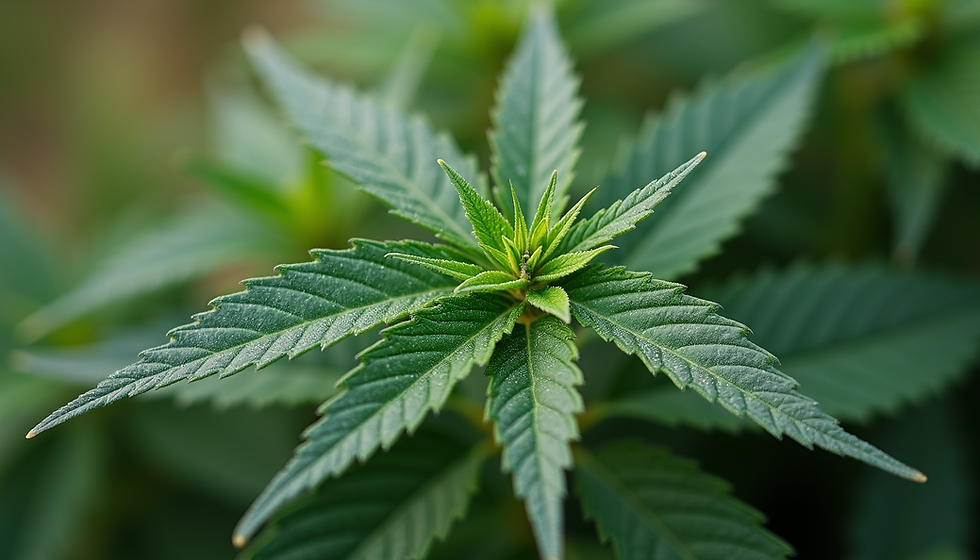
Close-up view of hemp plant leaves showing trichomes
Factors Influencing THC Levels in Hemp
Several factors affect THC concentration in hemp plants. Knowing these can help growers manage and predict THC levels more effectively.
Genetics
The genetic makeup of the hemp strain is the primary determinant of THC content. Some strains are bred specifically for low THC and high CBD (cannabidiol) content. Choosing certified seeds from reputable suppliers is essential to ensure compliance.
Environmental Conditions
Environmental stressors such as temperature, light exposure, and soil quality can influence THC production. For instance, excessive heat or drought stress may cause plants to produce more THC as a defense mechanism.
Harvest Timing
THC levels fluctuate during the plant’s growth cycle. Harvesting too late can result in THC levels rising above legal limits. Regular testing during the flowering stage helps determine the optimal harvest time.
Cultivation Practices
Fertilization, irrigation, and pest control methods also impact THC levels. Over-fertilization or improper irrigation can stress plants, potentially increasing THC content.
By understanding these factors, hemp producers can implement strategies to keep THC levels within legal limits, ensuring a successful harvest.
Methods for Monitoring THC Levels in Hemp
Accurate and timely monitoring of THC levels is essential for compliance and quality control. Here are some common methods used in the industry:
Laboratory Testing
The most reliable method is sending samples to accredited laboratories for analysis. Labs use techniques such as gas chromatography (GC) or high-performance liquid chromatography (HPLC) to measure THC content precisely.
On-Site Testing Kits
For quick assessments, growers can use portable testing kits. These kits provide approximate THC levels but are less accurate than lab tests. They are useful for preliminary screening before sending samples to a lab.
Remote Sensing and Imaging
Emerging technologies like hyperspectral imaging and remote sensing are being explored to estimate THC levels non-invasively. While still in development, these methods could revolutionize monitoring by providing real-time data.
Sampling Best Practices
To get accurate results, proper sampling is critical. Samples should be taken from multiple parts of the field and from different plants to account for variability. Consistent sampling protocols help ensure reliable data.

Eye-level view of hemp field with sampling equipment
Practical Recommendations for Managing THC Levels
To maintain THC levels within legal limits, hemp producers should adopt a proactive approach. Here are actionable recommendations:
Select Certified Seeds: Use seeds from trusted suppliers with documented THC profiles.
Implement Regular Testing: Schedule tests throughout the growing season, especially during flowering.
Monitor Environmental Conditions: Use sensors to track temperature, humidity, and soil moisture.
Optimize Harvest Timing: Harvest when THC levels are at their lowest safe point.
Train Staff: Educate workers on the importance of THC monitoring and proper sampling techniques.
Maintain Records: Keep detailed logs of testing results, environmental data, and cultivation practices for traceability.
Consult Experts: Work with agronomists or hemp consultants to develop tailored management plans.
By following these steps, hemp growers can reduce the risk of non-compliance and improve crop quality.
The Broader Impact of THC Monitoring on the Hemp Industry
Monitoring THC levels is not just about individual compliance; it has broader implications for the hemp industry as a whole.
Regulatory Confidence: Consistent monitoring builds confidence among regulators, potentially leading to more favorable policies.
Consumer Trust: Transparent THC testing reassures consumers about product safety and quality.
Market Expansion: Compliance opens doors to new markets, including international exports.
Innovation: Data from THC monitoring can drive breeding programs and cultivation innovations.
Incorporating robust THC monitoring practices supports the sustainable growth of the hemp industry and helps establish it as a reputable agricultural sector.
Monitoring THC levels in hemp is a critical practice that safeguards legal compliance, product quality, and market viability. By understanding the factors influencing THC content, employing accurate testing methods, and implementing strategic cultivation practices, hemp producers can ensure their crops meet regulatory standards and consumer expectations. This proactive approach not only protects individual businesses but also contributes to the overall health and growth of the hemp industry.


Comments